

You are Dust
What I Am Carrying into Lent This Year

I almost died last year.
I got up one morning - and felt fine.
I had my morning prayer time and did a workout and ate a breakfast - and felt fine.
I stopped into my chiropractor’s office for my regular monthly adjustment before hitting the road for my hour-long commute to work - and felt fine.
But while I was sitting there in the waiting room, all of a sudden, I didn’t feel fine. I had a brief moment where I thought to myself: “I think I might pass out.” And the next thing I knew, I was lying flat on my back in the chiropractor’s waiting room with my chiropractor bending over me, asking if I was okay, if anything hurt. The receptionist called my husband.1
They sent us off to the Emergency Room because I hit my head pretty hard on the way down. I needed stitches for a cut on my forehead, and they wanted to rule out concussion. While I was waiting in the ER for them to check everything out, I passed out again - while I was just sitting there, doing nothing at all.
All of a sudden, they were less worried about my head and a lot more worried about my heart.
I passed out two more times before they realized that each time I passed out was because my heart stopped temporarily - 19 seconds the time they caught it on the heart monitor. They sent me by helicopter to the big hospital uptown, and now I am an otherwise completely healthy 46-year-old woman with a pacemaker.2
It’s all still a bit of a mystery: no one has a good medical explanation for why it happened. I’ve been told that “I only pace 1% of the time” - 99% of the time my heart beats just fine all by itself.
But that 1% of the time that it doesn’t…well, I guess I need that pacemaker after all.
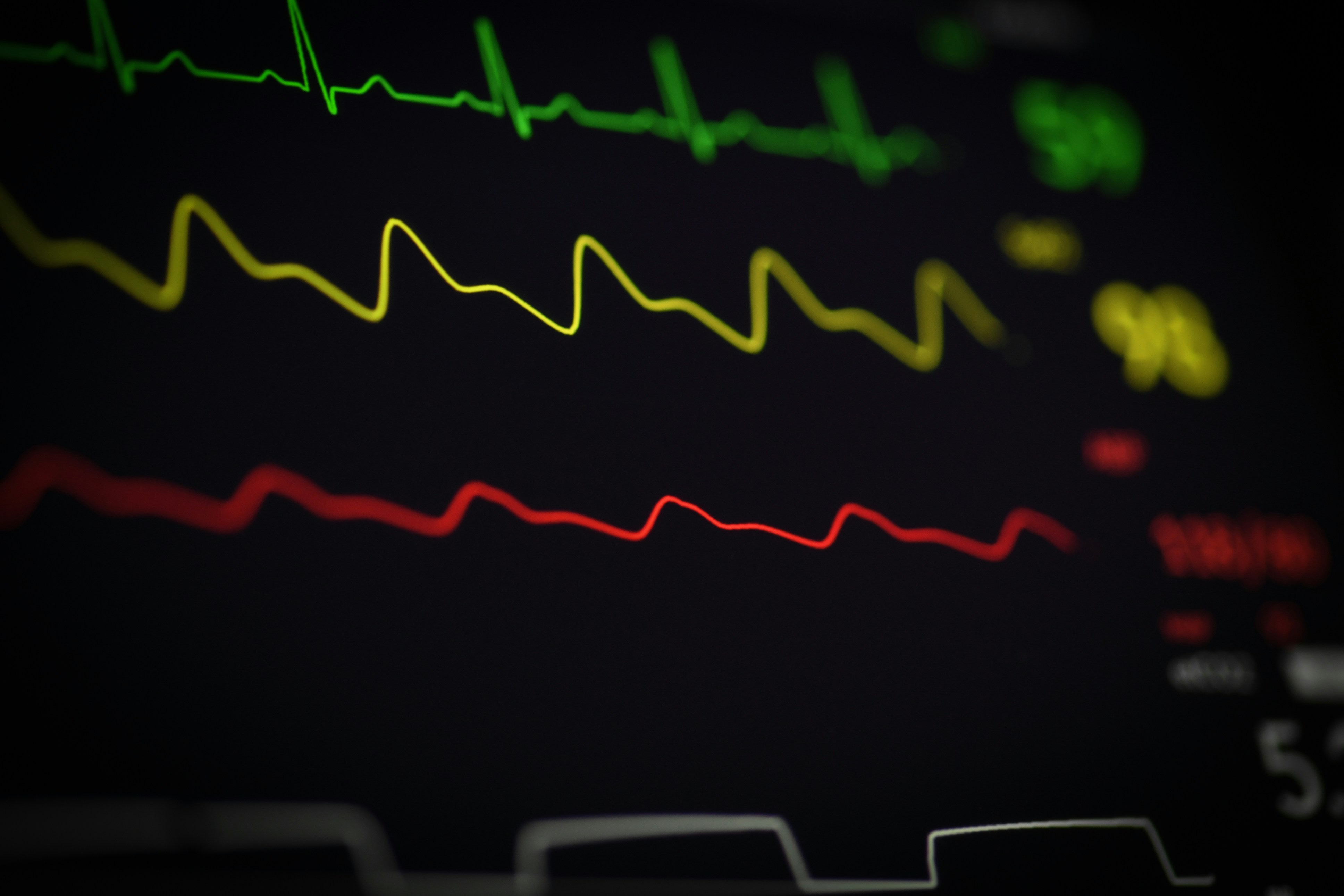
I’ve thought a lot about this over the past year.
Most of the time I try to downplay it: if it comes up at all, I am always quick to reassure people that I’m fine now - I haven’t had any more difficulty - I don’t have any restrictions on my activities. All of which is true.
At the same time, it is also true that if I didn’t have this little electronic device reminding my heart to beat, I could pass out at any time - and perhaps in a situation far more dangerous than my chiropractor’s waiting room. If that original incident had happened about 15 minutes later, I would have been driving on the Interstate when I passed out…and I shudder to think what might have been.
My life is dependent on that pacemaker continuing to function properly.
Today is Ash Wednesday.
Part of the liturgy for Ash Wednesday in my tradition involves marking foreheads with the sign of the Cross made with ashes with the words “Remember that you are dust, and to dust you will return.”
This is a tangible sign of the greater invitation of the season of Lent:
The call to repent.
The call to remember that it is “in Him we live and move and have our being.”3
The call to remember that our lives are dependent entirely on his grace and mercy behind and before us.
Lent is not about wallowing in our guilt and shame. Rather, Lent is about bringing our guilt and shame to the God who is compassionate and gracious, slow to anger and abounding in steadfast love and faithfulness so that we might be healed.4
Lent at its heart is about dependence. And the practices of Lent - prayer and fasting and almsgiving - function like my pacemaker. They remind us that we are radically dependent on God.5

Prayer is, perhaps, the most obvious and easiest Lenten practice to implement - at least it has been for me. It’s easy for me to get caught up in choosing and organizing just the right resources to read and reflect and pray with. It appeals to my more natural contemplative inclinations and feels like a joy rather than a sacrifice to engage.
Fasting, on the other hand, has always been a bit of a struggle for me for a variety of reasons. Part of this was the performative way in which I was first exposed to the practice of taking on a Lenten fast. In my college years, long before I encountered the historical liturgical traditions of the church, it became a bit trendy to fast during Lent. A friend of mine decided to fast from desserts during Lent, but when we went out for dinner one time, she ordered the strawberry pie anyway. I watched as she carefully scooped out all of the berries and left the crust on her plate, rationalizing that “it wasn’t really dessert, it was just fruit.”
For a long time, I dismissed the value of fasting as a practice and rationalized away all the reasons why I should do it. Since becoming clergy, I’ve had to revisit this since I cannot lead people places that I am unwilling to go. That’s led to various experiments and degrees of success with fasting over the past several years.
Into this background of being wary of the value of fasting - during Lent or otherwise - I have found the very gracious way that Justin Whitmel Earley writes about fasting in The Body Teaches the Soul refreshing. Fasting isn’t about rules or body shaming or dieting, it’s a means of recovering the dependence on God that we were made for. It’s a means letting go of one thing to make space for something else. Early writes:
“For me, fasting is often the beginning of seeing myself more clearly, which is what makes fasting so wonderful. In that space of lack and frustration, I have to turn to God, for there are no other coping solutions left. It is hard to see our need for God in a world where all our needs are quickly numbed over with sugar and simple carbs. But fasting helps me see my flaws, which in turn reveals more of God’s grace for me. In seeing my lack, I also see how he fills it.”6
At the end of the day the practice of fasting is intended to move my thoughts and prayers and reflections out of my head and into my body - a necessary step on the path to true transformation. As James K.A. Smith says: we are not brains on sticks. The practice of fasting acknowledges that my Whole Self is in need of transformation.
And as my Whole Self is transformed - as I experience the compassion and love and faithfulness of God in my own life - that spills over in generosity towards others. This is where that third practice of Lent - the practice of almsgiving - comes into the picture. Esau McCaulley writes that “Lent is not merely about extended reflections on our own mortality. It’s a chance to open our lives and hearts to the pains of the world in imitation of our Lord, who looked with compassion on those with spiritual and material needs.”7
The reality is that not only are we dependent on God - we are dependent on one another. Kevan Chandler, who is wheelchair bound and depends on others to assist him with even the most basic tasks of living, writes beautifully about the way that responding to the needs of others draws us out of ourselves and “moves us toward growth and healing.” Responding to the needs of others is the way the internal work that happens in our hearts turns outward.8 But the converse is also true: inviting others into our needs ought not be framed as being a burden but as an act of radical hospitality in which we experience the joy and beauty of belonging to one another.9

This isn’t going to be a “how to Lent” post. There are plenty of those floating around the internet already anyway. As I have written about before, I prefer a more intuitive approach to spiritual disciplines. Lent is no exception. I like to start with an idea that the Lord is impressing on me and then work from there.
As I enter into Lent this year, it is this idea of dependence that I am carrying with me. It is my hope that my reading and my prayer and my practices cultivate a deeper sense of this - personally and spiritually and communally.
What are you carrying with you into Lent?
Until Next Time,
Heavenly Father, in you we live and move and have our being: We humbly pray you so to guide and govern us by your Holy Spirit, that in all the cares and occupations of our life we may not forget you, but may remember that we are ever walking in your sight; through Jesus Christ our Lord. 10
Jen
Bits and Pieces
Reading/Listening/Watching:
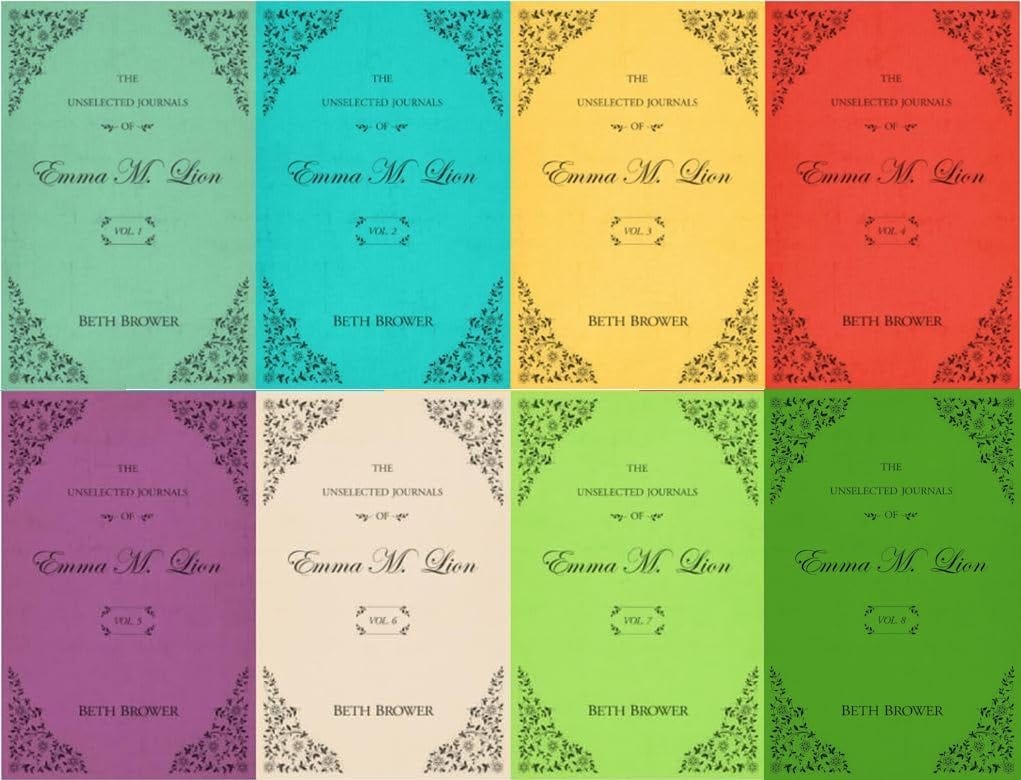
Okay, I mentioned The Unselected Journals of Emma M. Lion a couple of weeks back - but they are getting another mention! I speed read through the full eight book series in the space of about two weeks and now I am reading through them again slowly (and gradually acquiring the print books for my home library.) Truly delightful - lighter reading, but not without heart and substance.
Taking Delight:
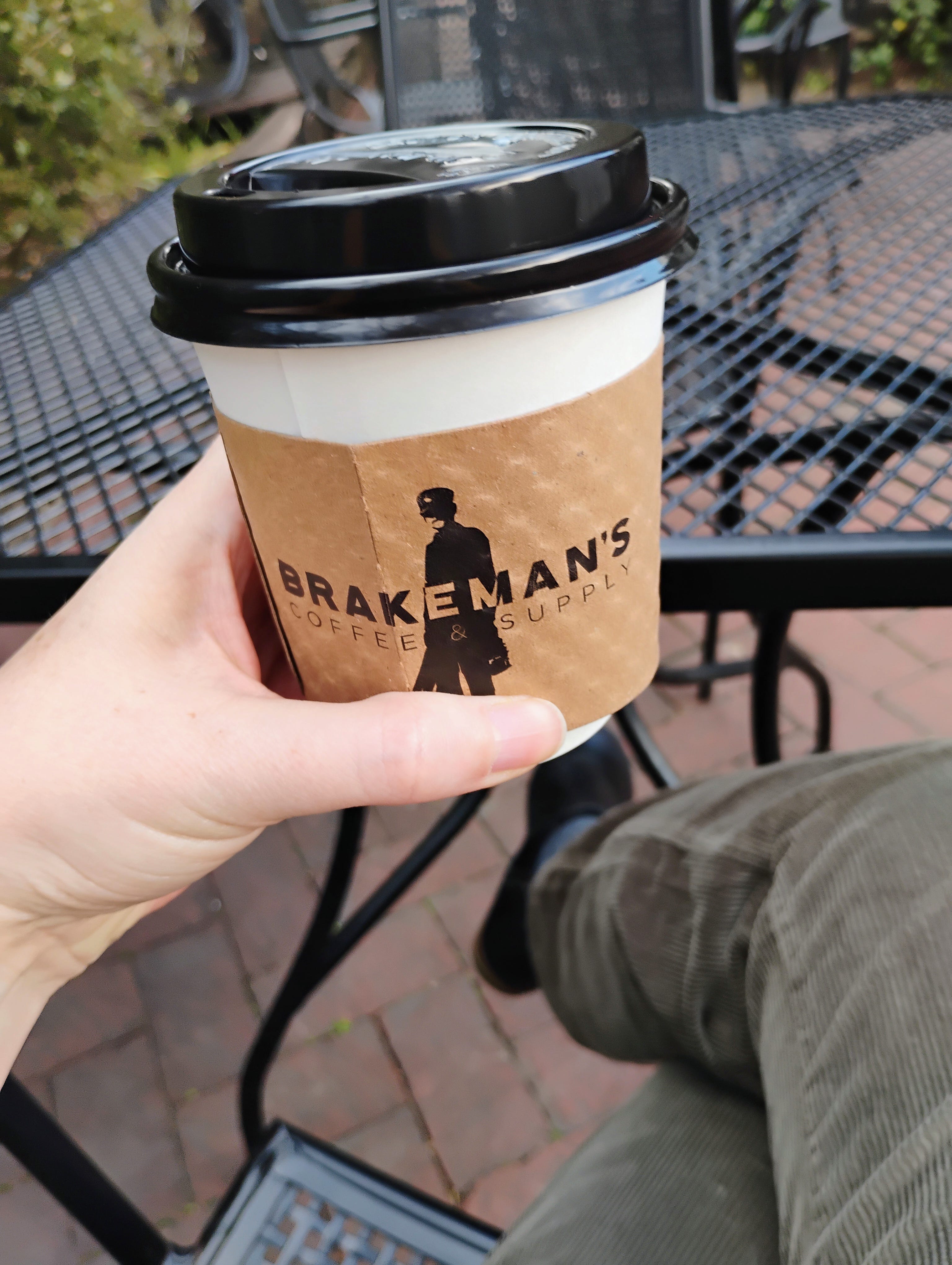
After ice and snow and subfreezing temperatures for several weeks, we’ve had some gloriously warm and sunny weather this past week - warm enough to drink coffee outside!
Thinking About:
“We were made with a soul-deep hunger to find our dependence on and delight in God and what he gives us.”
~ Justin Whitmel Earley, The Body Teaches the Soul11
I’m told I’m still “exhibit A” when their staff reviews their emergency protocols.
For the record, this isn’t as exciting as it sounds. They sent me by helicopter because it was during rush hour and transfer by ambulance would have taken awhile…
Acts 17:28
Exodus 34:6; Esau McCaulley, Lent: The Season of Repentance and Renewal, 43
McCaulley, 20
Justin Whitmel Earley, The Body Teaches the Soul, 78
McCaulley, 25
Kevan Chandler and Tommy Shelton, The Hospitality of Need, 75
Chandler and Shelton, 88
From Morning Prayer, 2019 Book of Common Prayer
Earley, 70